Entire taking
The agency acquires the whole property. Compensation analysis generally centers on the value of the entire ownership interest taken.

UCAP Property rights
Eminent domain is the power of government to take private property for public use, subject to the constitutional requirement of just compensation.
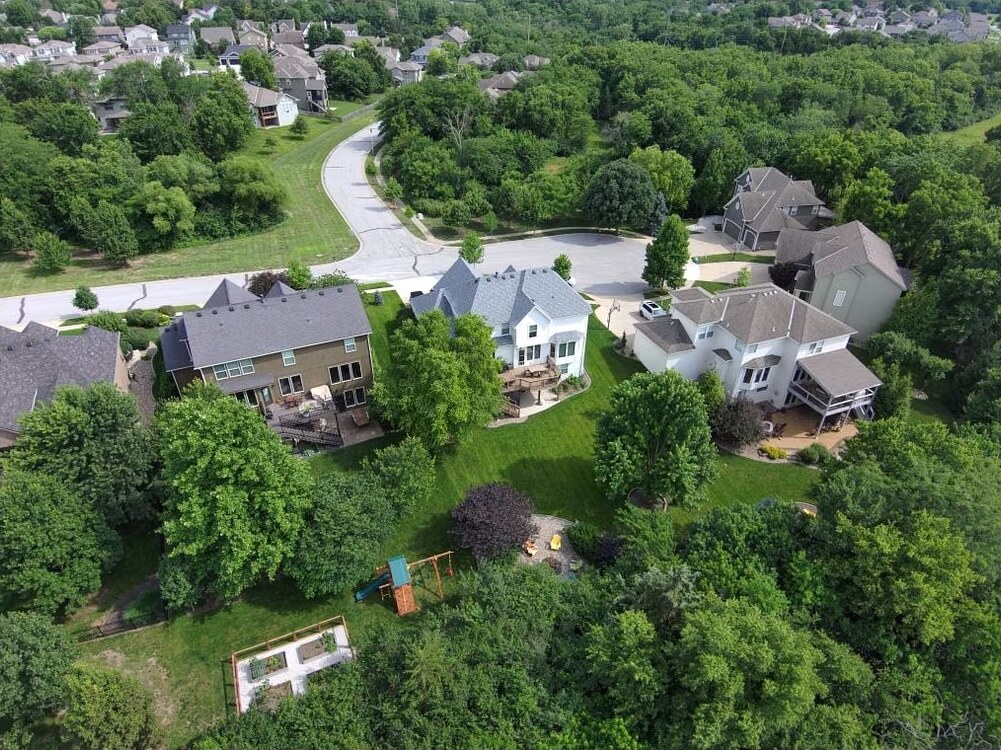
The Fifth Amendment to the U.S. Constitution provides that private property shall not be taken for public use without just compensation. A public agency may acquire all or part of a property for roads, utilities, public buildings, redevelopment, or another legally recognized public use.
The legal process of exercising eminent domain is generally called condemnation. When an owner alleges that government action has effectively taken or damaged property without formally condemning it, the claim may be described as inverse condemnation.
The agency acquires the whole property. Compensation analysis generally centers on the value of the entire ownership interest taken.
Only part is acquired. Analysis may include the value of the part taken and any effect on the property that remains.
Property rights are acquired for a limited period, such as construction access or temporary use.
Depending on the governing law and assignment, a taking may involve land, buildings, easements, air rights, lease or contract interests, and certain intangible property rights. Because facts and legal rules differ, owners and agencies often rely on attorneys, appraisers, engineers, and other specialists.
Related powers are known internationally by terms such as compulsory purchase, compulsory acquisition, resumption, or expropriation. The terminology and legal protections vary by jurisdiction.