
UCAP Homeowner guide
What appraisers look for
An appraisal is an independent, supportable opinion of market value. Here is what the appraiser observes, researches, and analyzes.
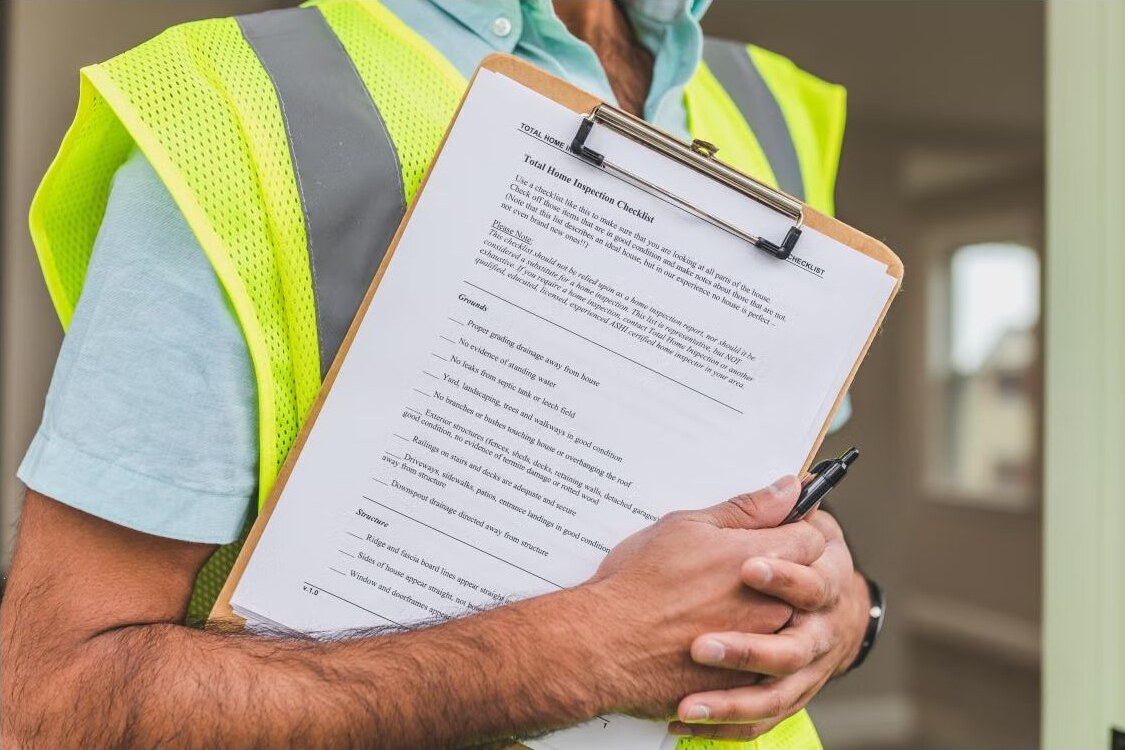
Market value and the appraiser’s role
Market value is the most probable price a property should bring in a competitive and open market under the conditions required for a fair sale. It matters to buyers, sellers, lenders, taxing authorities, courts, and property owners.
The appraiser’s role is neutral. The appraiser identifies the assignment, inspects and researches relevant characteristics, analyzes the market, and communicates a credible opinion—not the number a particular party hopes to receive.
The neighborhood and market
The appraiser also considers highest and best use: the use that is legally permissible, physically possible, financially feasible, and maximally productive.
The property itself
Appraisers observe readily accessible areas and report relevant condition. An appraisal is not a home inspection and does not provide the same technical evaluation of every building system.
Electrical-panel safety
The appraiser needs safe access. Clear the path, keep the floor dry, remove stored items, make sure the box is not wet or visibly rusted, and ensure the panel has a proper cover. The appraiser should not be expected to enter an unsafe area.
Typical component life spans
These are broad reference ranges. Climate, materials, installation, use, and maintenance can significantly change service life.